Blueberries are one of the more sensitive crops in orchard farming. They respond strongly to their environment, especially in protected or intensively managed orchards. Several key factors directly affect yield and fruit quality.
Below is a look at common problems in blueberry production and how smart farm equipment can help. Towards the end, we also cover how the same approach works for citrus, apples, and other fruit trees.
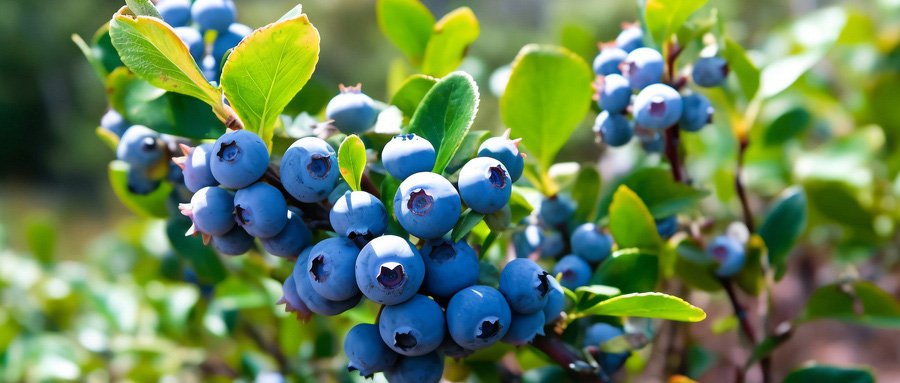
Key Pain Points in Orchard Farming Blueberry Production
Temperature requirements change at different growth stages. From dormancy to fruit expansion, the needs vary a lot. During flowering, if nighttime temperatures drop below 8°C, pollination suffers and fruit set drops noticeably.
Soil pH is a major challenge. Blueberries are acid-loving plants. Soil pH needs to be strictly controlled between 5.0 and 5.5, which is widely recognized as theideal soil pH for blueberry cultivation by Oregon State University Extension Service.Once pH goes above that range, nutrient uptake becomes difficult. Leaves turn yellow and plants don’t grow well.
Humidity is also tricky. During flowering, if humidity stays too high (above roughly 60%), the risk of fungal diseases goes up. At harvest time, high humidity affects sugar accumulation and fruit quality.
Irrigation and fertilization are even more complicated, especially in systems that rely on precision irrigation systems to balance water and nutrient supply, as highlighted by Food and Agriculture Organization. Blueberries have shallow root systems. They don’t like drought, but they also don’t like waterlogging. Water needs vary significantly across growth stages. It’s hard to get it right by hand. Too little water and the fruit doesn’t size up. Too much and roots start to rot.
How Equipment Solves These Problems
To address the issues above, this setup combines climate control, fertigation, and soil monitoring.
The smart climate control system manages temperature based on blueberry growth needs. During dormancy, ventilation and shade systems run automatically to keep temperatures low. In spring, you can program a gradual temperature increase in the system, for example slowly raising daytime temperatures from 10-12°C upward. This prevents uneven bud development caused by sudden temperature changes. During flowering and fruit expansion, the system uses real-time sensor data to automatically adjust fans, cooling pads, and shade screens. Temperatures stay around 20-23°C during flowering and 25-29°C during fruit development.
Soil sensors and pH monitoring are also critical. Multi-layer soil sensors are placed around the root zone. They monitor soil moisture, temperature, EC, and pH in real time. When soil pH goes above 5.5, the system sends an alert and supports precise acid adjustment through the irrigation line. This keeps the root environment within the right range.
The fertigation system is configured for different growth stages. During bud break, irrigation increases to support bud development. During flowering, watering is reduced to help pollination and fruit set. During fruit expansion, water and nutrient supply go up. Extra nutrient solution can be added to improve fruit size and sugar content. All irrigation and fertilization can be managed remotely from a phone or computer. One person can handle several orchards.
Actual Results
Take a blueberry orchard in eastern China as an example. After switching to this system:
- Fruit set rate increased by about 20%
- Marketable fruit rate went up by 15%
- Irrigation water use dropped by more than 30%
- Fertilizer efficiency increased by about 25%
- Fruit ripened more evenly, and sugar content improved noticeably
- Labor went from four people down to one, cutting operating costs significantly
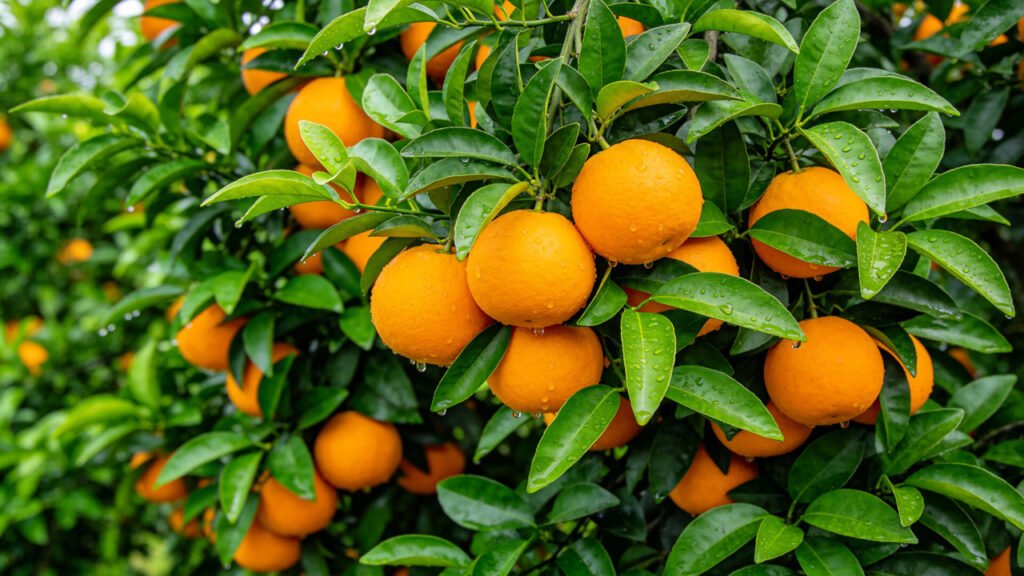
Which Fruit Trees This Works For
This system was designed with blueberries in mind, but it works just as well for citrus, apples, grapes, cherries, and other fruit trees. Temperature and humidity requirements, as well as water and fertilizer schedules, can all be adjusted in the system.
Conclusion
If you’re also dealing with inaccurate environmental controls, poor water and fertilizer management, and high labor costs in orchard farming, get in touch. We can put together a custom plan based on your orchard, climate, and water conditions.