Greenhouse Automation Solution
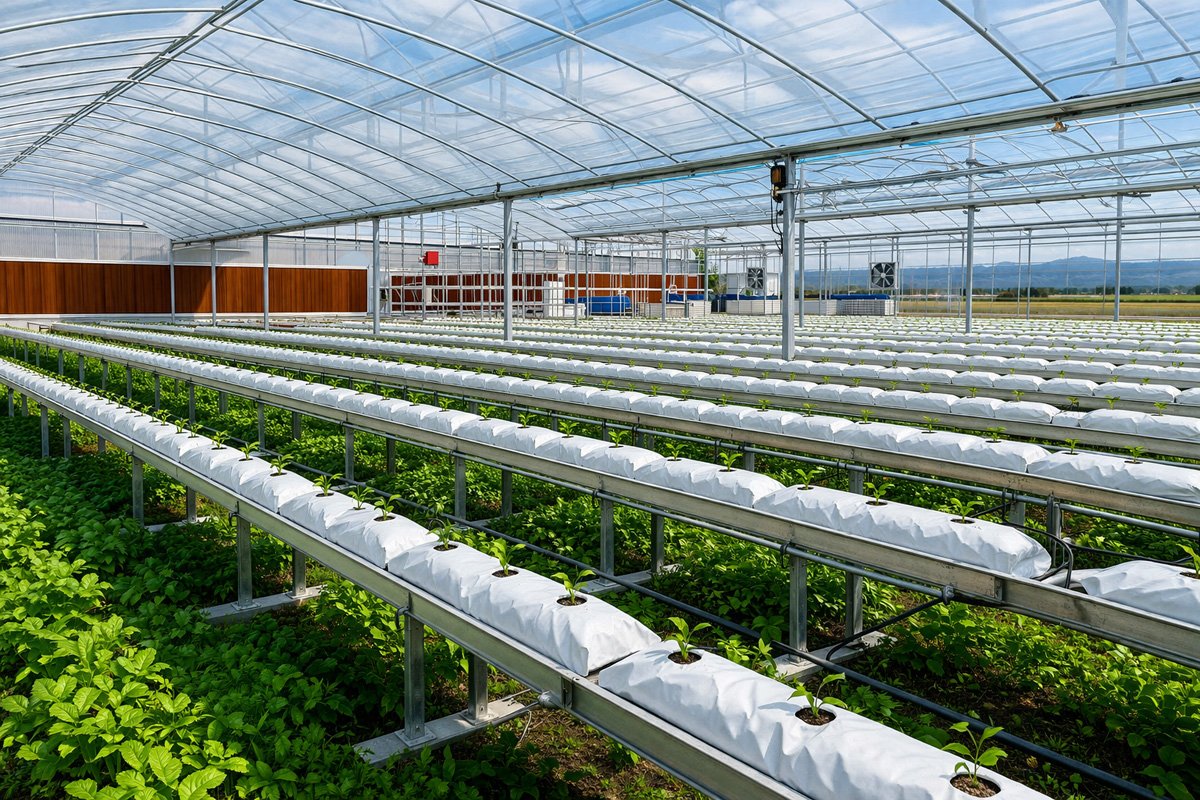
Smart Greenhouse: From Experience to Data-Driven Farming
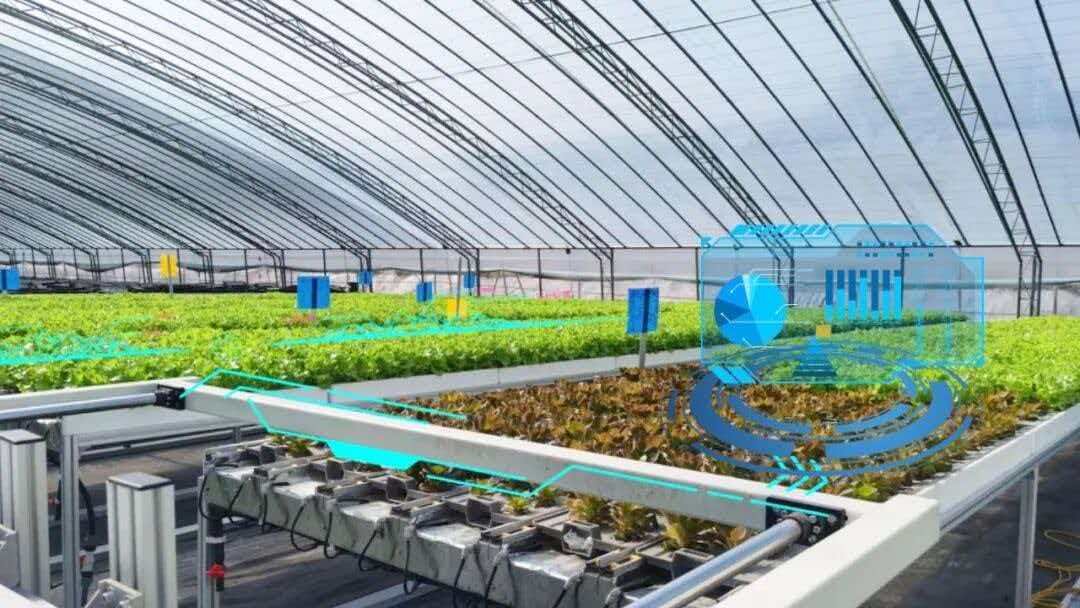
Smart agriculture is transforming modern farming by integrating data collection and automated control throughout the entire production process. It helps growers scale operations, improve efficiency, and manage crops more effectively.
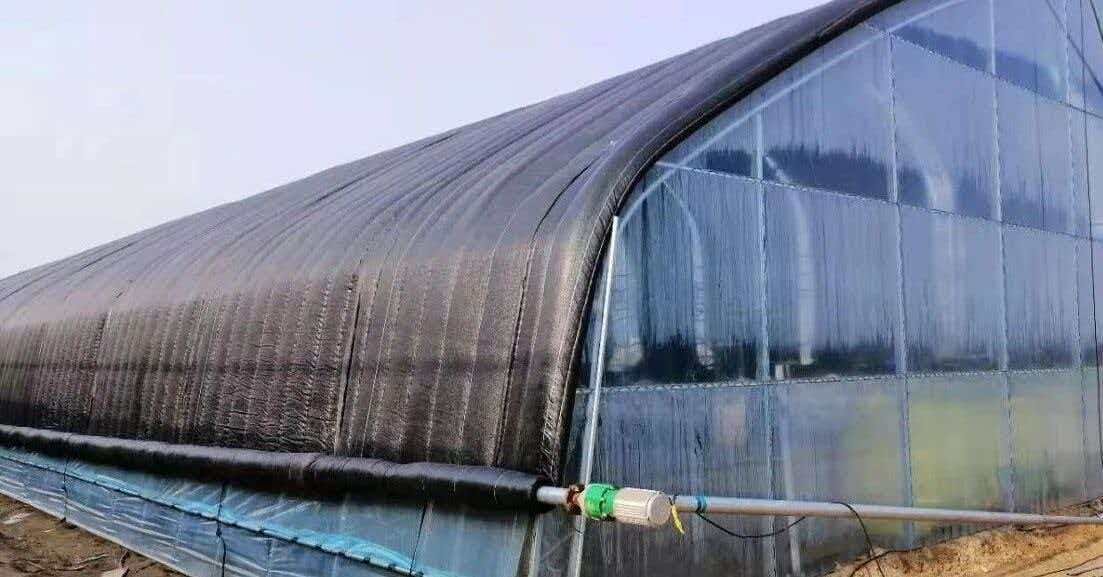
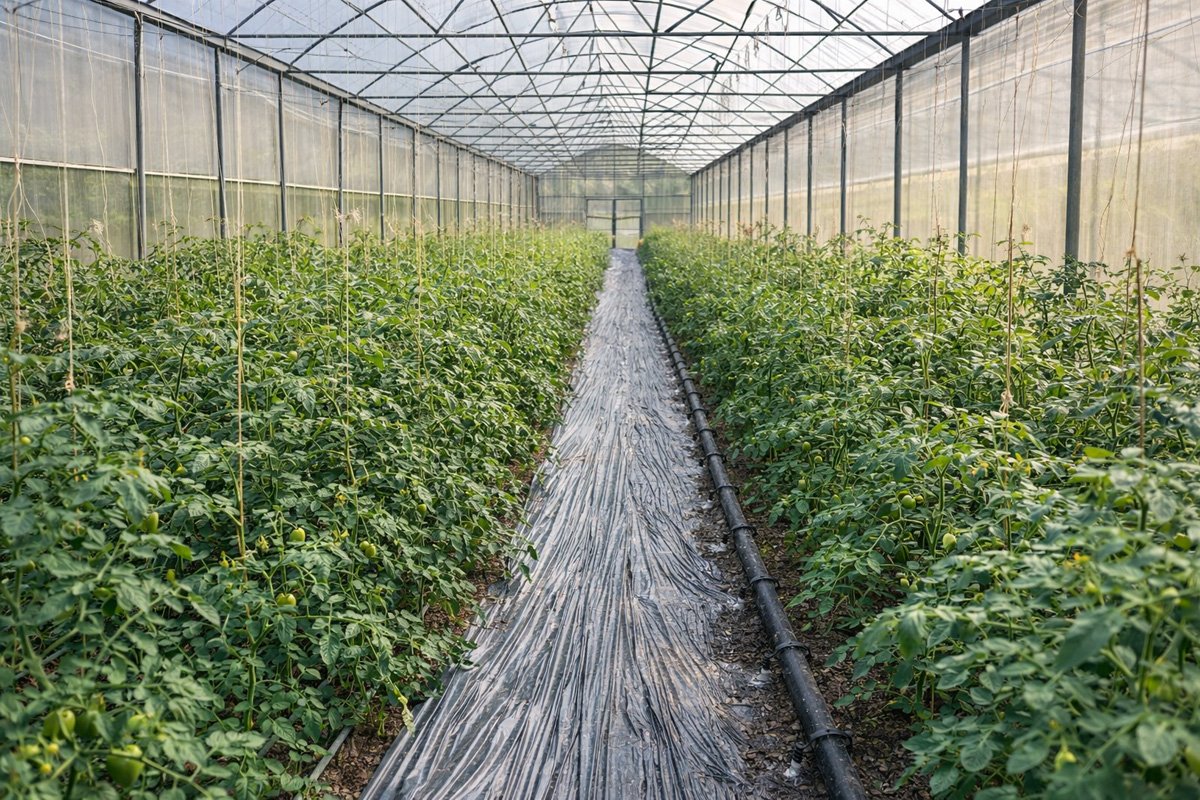
Among all applications, smart greenhouses are one of the most mature and widely adopted solutions.
Traditional greenhouse management relies on manual experience for controlling temperature, humidity, ventilation, irrigation, and fertilization. Smart systems replace this with automated and standardized control.
The key advantage is stability.
By maintaining environmental conditions within optimal ranges, smart greenhouses reduce risks caused by climate fluctuations—especially for high-value crops. In practice, growers often achieve more consistent yields and improved crop quality, with production efficiency increasing by over 30% in many cases .
With IoT integration, greenhouse management becomes more precise, resource-efficient, and predictable.
Core Value of Smart Greenhouses
From an operational perspective, smart greenhouses provide the following key benefits:
Value | Description |
Improved Environmental Control | Automatically regulates temperature, humidity, and light to maintain optimal growing conditions |
Lower Energy Consumption | Optimizes equipment usage and supports renewable energy integration |
Higher Yield & Quality | Reduces crop stress, disease, and environmental fluctuations |
Precision Agriculture | Uses real-time data for accurate crop management |
Reduced Labor Costs | Minimizes manual work through automation |
Data Tracking & Optimization | Records data for analysis and continuous improvement |
Core System Components
A smart greenhouse typically includes several integrated systems:
1. Ventilation & Climate Control
Automated ventilation systems control airflow by adjusting side or roof openings.
- Set temperature or schedules via mobile
- Automatic operation with minimal manual intervention
- Built-in protection to prevent structural damage
This ensures stable internal conditions and helps reduce crop diseases caused by poor ventilation.
2. Irrigation & Fertigation System
This system integrates irrigation and fertilization into one automated process.
- Supports timed and sensor-based control (EC/pH)
- Can be remotely managed via mobile or cloud
- Works with soil sensors for real-time adjustments
Water and nutrients are delivered directly to the root zone, improving efficiency and reducing waste .
3. Environmental Monitoring System
Sensors collect real-time data such as:
- Temperature and humidity
- Light intensity
- CO₂ concentration
- Wind, rainfall, and pressure
Systems like enable continuous monitoring and data transmission.
When conditions exceed thresholds, alerts are triggered, allowing timely response and better decision-making.
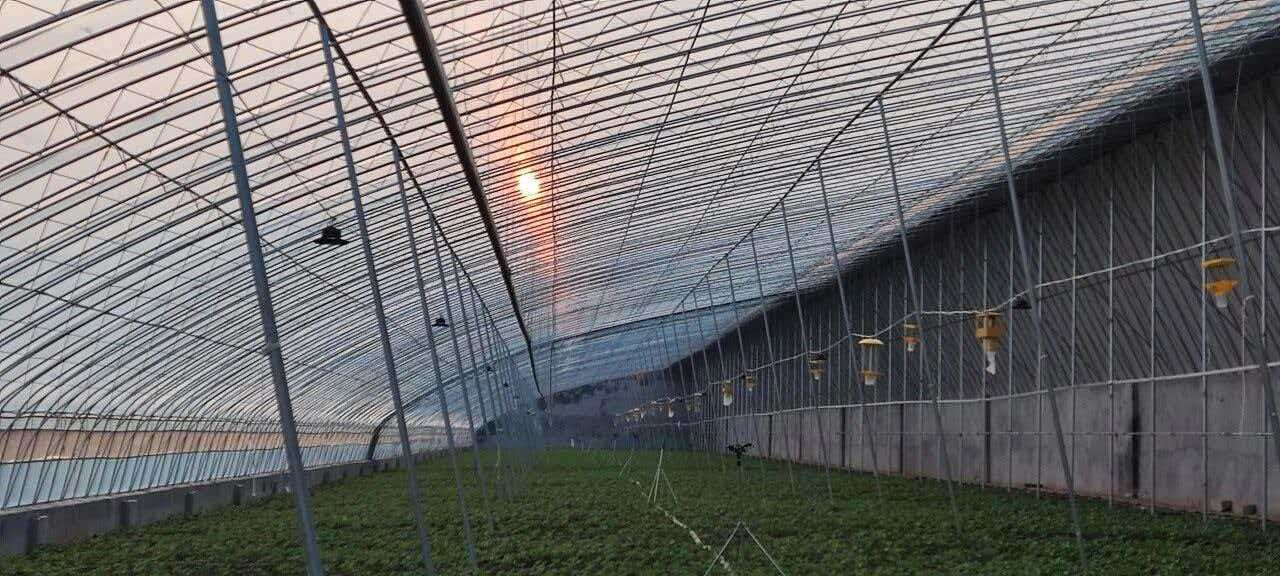
4. Pest Monitoring System
Automated pest monitoring devices track insect activity and population trends.
- Data is uploaded for analysis
- Supports early warning and prevention
This helps reduce pesticide use and improves crop safety.
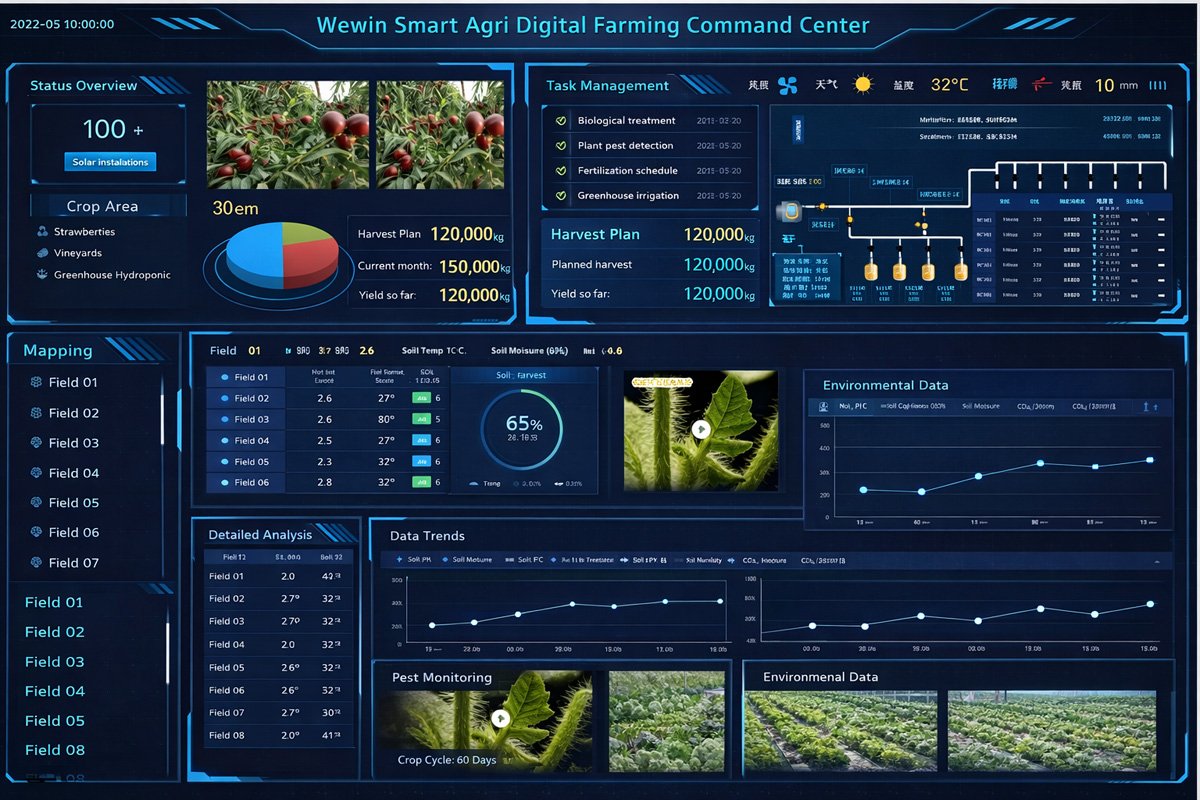
5. IoT Control Platform
For larger greenhouse projects, a centralized platform enables:
- Real-time monitoring of all systems
- Remote control and task management
- Data visualization and alerts
This improves operational efficiency and response speed.
6. Mobile App Management
A mobile app connects all systems, allowing users to:
- Monitor greenhouse conditions in real time
- Control equipment remotely
- Receive alerts and view historical data
This enables flexible and efficient farm management from anywhere.
Conclusion
A smart greenhouse is not just a collection of equipment—it is an integrated system combining monitoring, automation, and data analysis.
Its real value lies in:
- Converting experience into standardized processes
- Replacing manual decisions with data-driven control
As IoT and smart agriculture technologies continue to evolve, greenhouse farming is becoming more efficient, reliable, and scalable.