For decades, the core logic behind global agriculture had remained unchanged: as long as there was enough water, fertilizer, and labor, food production could continue to grow steadily. But today, this logic is beginning to fail on a global scale. In the western United States, prolonged droughts are forcing farms to reduce irrigation areas; Middle Eastern countries are investing enormous amounts of capital into smart agriculture systems; and European farmers are finding it increasingly difficult to recruit young people willing to work in agriculture long-term. Meanwhile, extreme weather events are becoming more frequent around the world, while agricultural water scarcity is becoming a growing global concern. Heavy rainfall, heat waves, droughts, and cold snaps are all affecting food production. Agriculture is entering an entirely new era.
The Rapid Rise of Smart Agriculture in China
Amid this global transformation, the rapid development of smart agriculture in China is attracting growing international attention. Many people still associate Chinese agriculture with traditional farming practices. In reality, however, China has become one of the fastest-growing smart agriculture markets in the world, especially in areas such as fertigation systems, smart irrigation, agricultural IoT, and automated control technologies.
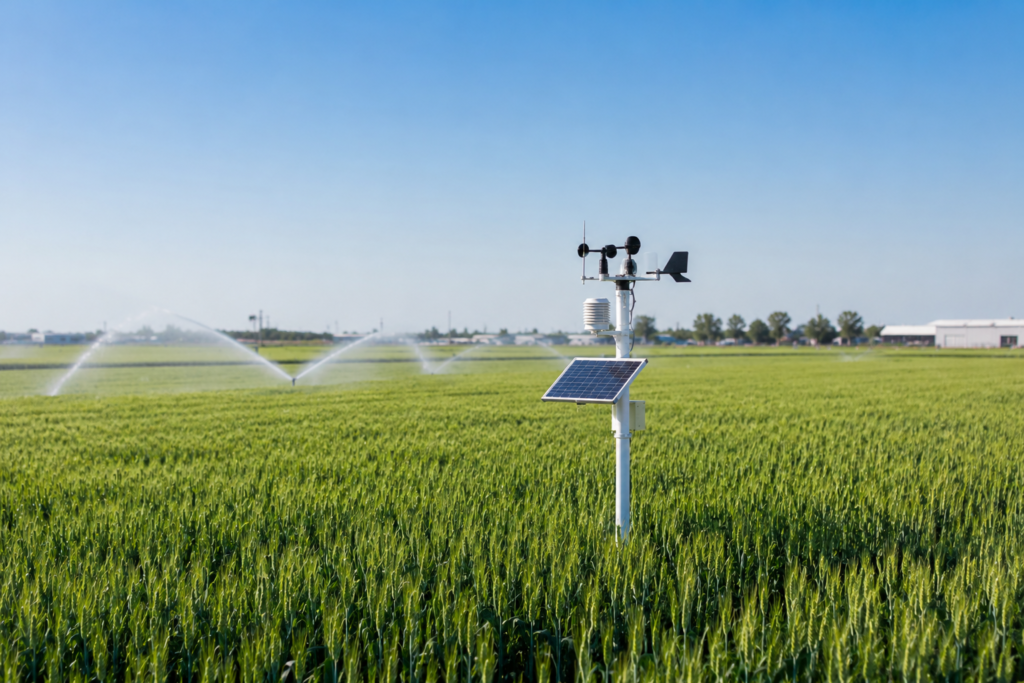
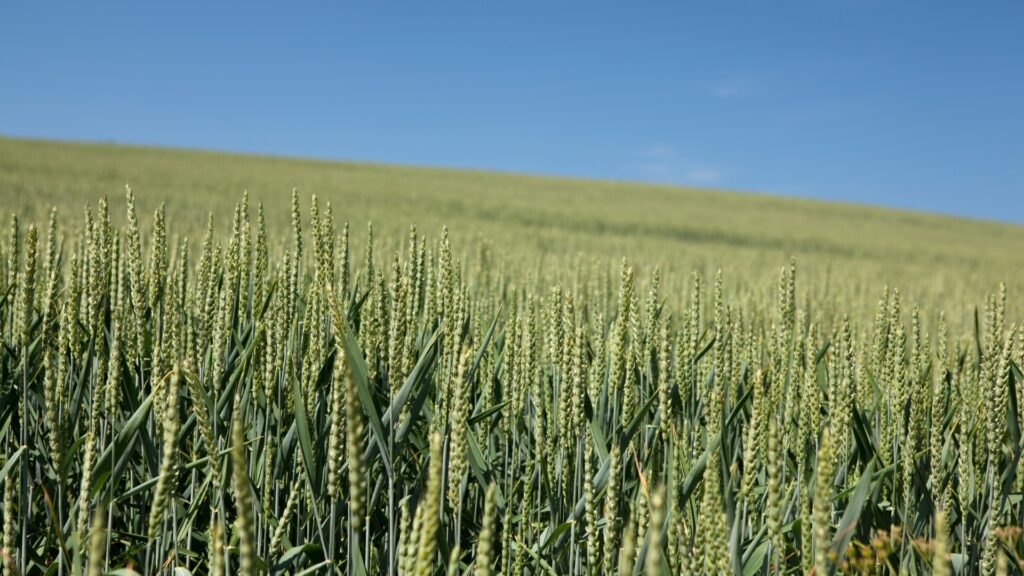
In the past, fertigation technology was mainly used in European greenhouse agriculture and high-value crops. Due to the high cost of equipment, many countries were unable to implement it on a large scale. China, however, followed a different path. As the world’s most populous country, it has long faced the challenge of food security, which greatly accelerated the pace of agricultural modernization. By 2024, the application area of fertigation systems had reached 170 million mu. These systems are no longer limited to greenhouse vegetables, but have also expanded into large-scale field crops, including corn, wheat, soybeans, cotton, and oil crops. They are now widely used in crops such as cotton, corn, wheat, soybeans, rapeseed, and oil sunflower, where the increase in productivity and efficiency has been highly significant. In northern, northeastern, and northwestern regions, corn yields have increased by more than 200 kilograms per mu on average, while wheat yields have increased by over 100 kilograms per mu.
Why Fertigation Has Become a National Agricultural Strategy
Why has the government continued to promote fertigation technology? The core of rural revitalization is ultimately about increasing farmers’ incomes. And the most fundamental way to improve income is to increase crop yields and overall farming profitability. Only when crops truly achieve higher productivity and better economic returns can farmers’ incomes continue to rise. As a result, fertigation technology has become one of the key agricultural technologies strongly promoted nationwide. Since 2007, China’s annual “No.1 Central Document” has almost every year mentioned related policies, and agricultural authorities have continued to promote fertigation as a core technology of modern agriculture.
From Fertigation Systems to Intelligent Agriculture
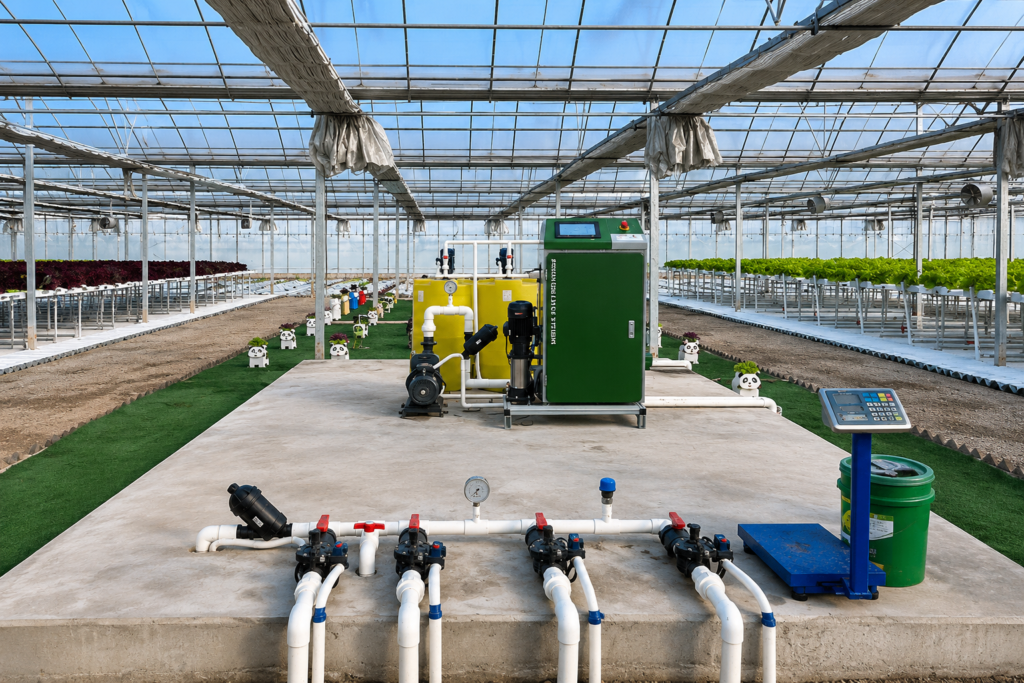
However, the development of smart agriculture is not limited to automated irrigation alone. Today, conventional “water-fertilizer integration” technology has already become relatively mature, while the future direction of the industry is moving toward the integration of water, fertilizer, chemicals, and air.
Among these areas, “chemical integration” remains one of the biggest technical challenges. When agricultural chemicals enter the soil through irrigation systems, they create multiple concerns, including pesticide residue, food safety, soil sustainability, and groundwater pollution. Therefore, determining which chemicals can safely enter fertigation systems has become a major bottleneck in the industry. Ideal agricultural chemicals must meet several conditions: first, they must be fully water-soluble so they can pass through drip irrigation systems; second, they must have low or even zero residue to avoid affecting food safety and soil ecology.
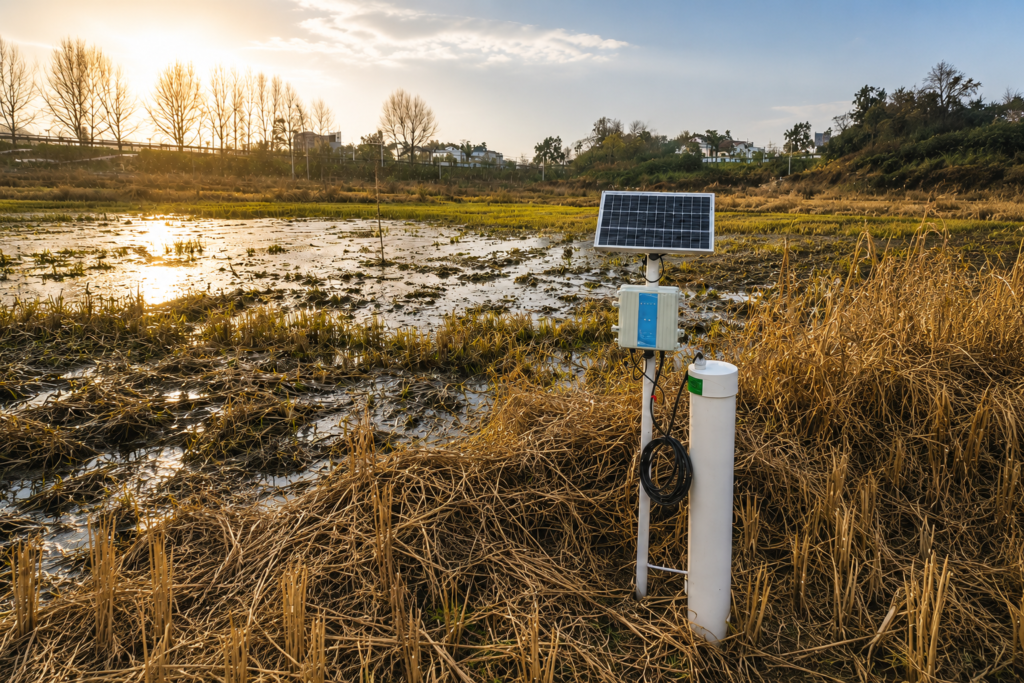
At present, the two major research directions are plant-based pesticides and biological pesticides. Plant-based pesticides extract natural insecticidal and antibacterial compounds from plants. Biological pesticides, on the other hand, use selected beneficial microorganisms and antimicrobial strains to create compound formulations that can enter the soil through fertigation systems. This approach can help control soil-borne diseases, prevent underground pests, and improve soil ecology. In many agricultural research projects, researchers have already begun combining biological pesticides with fertigation systems, allowing drip irrigation systems to directly manage soil-borne diseases and underground pests.
In addition to water, fertilizer, and chemicals, future agriculture will also incorporate “air,” referring to root-zone oxygen supply, soil aeration, and microclimate regulation. Increasing research has shown that oxygen levels in the soil directly affect root vitality and nutrient absorption efficiency. Root-zone oxygenation technology is therefore becoming an important new research direction.
The Future of Smart Agriculture and Global Farming
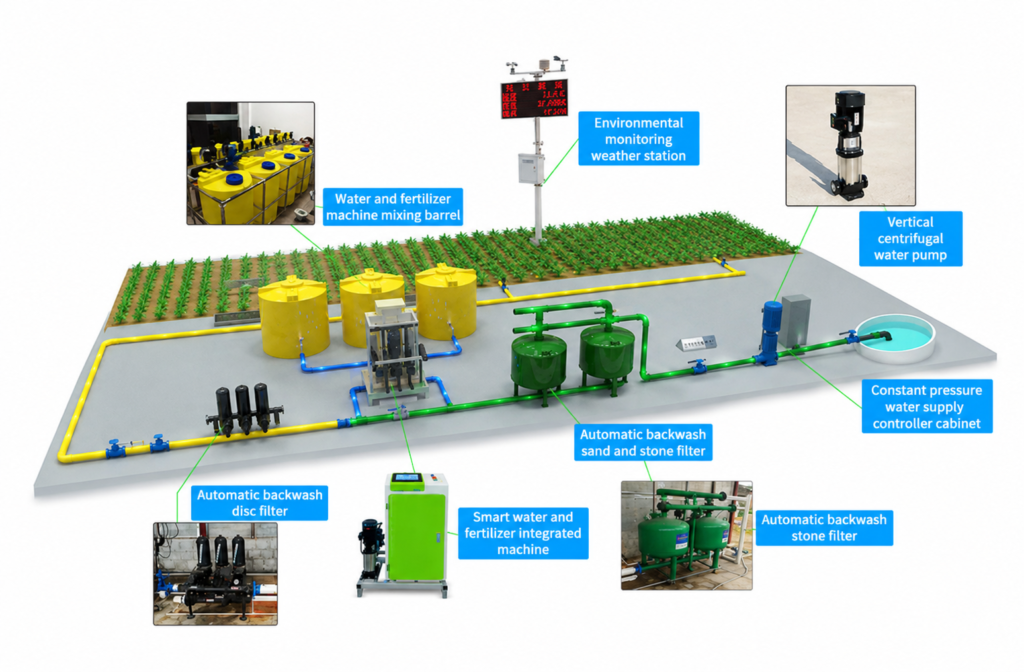
Future agriculture will no longer simply focus on “watering and fertilizing plants.” Instead, it will rely on IoT technologies, sensors, and intelligent control systems to precisely regulate the entire crop-growing environment, including moisture, nutrients, pest and disease management, soil conditions, root-zone oxygen supply, and climate data.
The rapid upgrading of China’s manufacturing industry is also driving this transformation. In the past, many international customers preferred European and American agricultural equipment. Today, however, more overseas farms are beginning to recognize the advantages of China’s supply chain. The country not only possesses mature manufacturing capabilities, but has also built a complete smart agriculture industrial ecosystem. From solenoid valves, sensors, and controllers to weather stations, fertigation machines, and cloud platforms, Chinese companies are now capable of rapidly integrating complete agricultural automation systems. More importantly, Chinese manufacturing is increasingly combining stable quality, faster delivery, and strong cost-performance advantages at the same time. Behind this transformation is the rapid growth of the domestic smart agriculture supply chain, from sensors and controllers to fertigation equipment and cloud platforms, which together have formed a highly integrated industrial support system.
As global agriculture continues to face climate change, water shortages, and labor shortages, smart agriculture is no longer just an industry concept. It is becoming one of the core directions of future global agriculture. And the development of smart agriculture in China may only be the beginning.