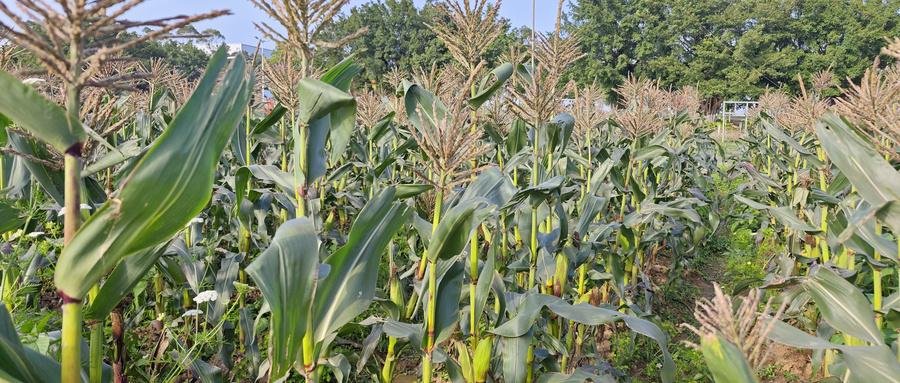
Corn is one of the most important food crops in the world, and a good example of large-scale farming. Traditional growing methods mostly rely on experience. It’s hard to tell exactly how much water and fertilizer to apply at different growth stages. The result is either unstable yields or wasted water and fertilizer. Below is a look at how smart farm equipment can be used in corn production and what problems it can solve.
Key Pain Points in Corn Production
Corn grows best when the temperature is between 20-30°C. During tasseling and flowering, if temperatures go above 35°C, pollen becomes less viable. Pollination suffers, and you see more bare tips and missing kernels. When temperatures are too low at the seedling stage, seeds rot easily and seedlings grow slowly. There’s no way to control temperature in open-field farming. With greenhouses you can, but opening and closing vents by hand is always too slow.
When it comes to humidity, corn doesn’t like too much or too little. The ideal range for the whole growing season is 60%-80%. If water is short during heading and grain filling, both the number of kernels and kernel weight drop. If humidity is too high during flowering, leaf spot and rust become a problem. The traditional way is to water by feel. Often you wait until it’s already dry, and then you overwater.
Corn also needs a lot of light. It needs 8-10 hours of good sunlight every day. During long stretches of cloudy weather, or if a greenhouse blocks too much light, plants grow weak and spindly. Stems don’t hold up well, and ears don’t develop properly. There’s no way to control light in open-field farming. In greenhouses, there’s no automatic system to manage supplemental lighting and shading.
Soil and fertilization are also tricky. Corn grows best in rich, loose, well-drained soil with a pH of 6.0-7.0. The old way is to check soil moisture by hand, so it’s hard to know in real time what’s really going on in the root zone. As for fertilization, corn needs a lot of nitrogen, phosphorus, and potassium, but the ratios change at different stages. The need for nitrogen is highest from jointing to the large bell stage. Potassium demand goes up during grain filling. The traditional “dump it all at once” method causes plants to grow too fast early on and run out later. Fertilizer efficiency is below 40%.
How Equipment Solves These Problems
To address the issues above, this setup is built around three things: environmental monitoring, smart water and fertilizer management, and remote control.
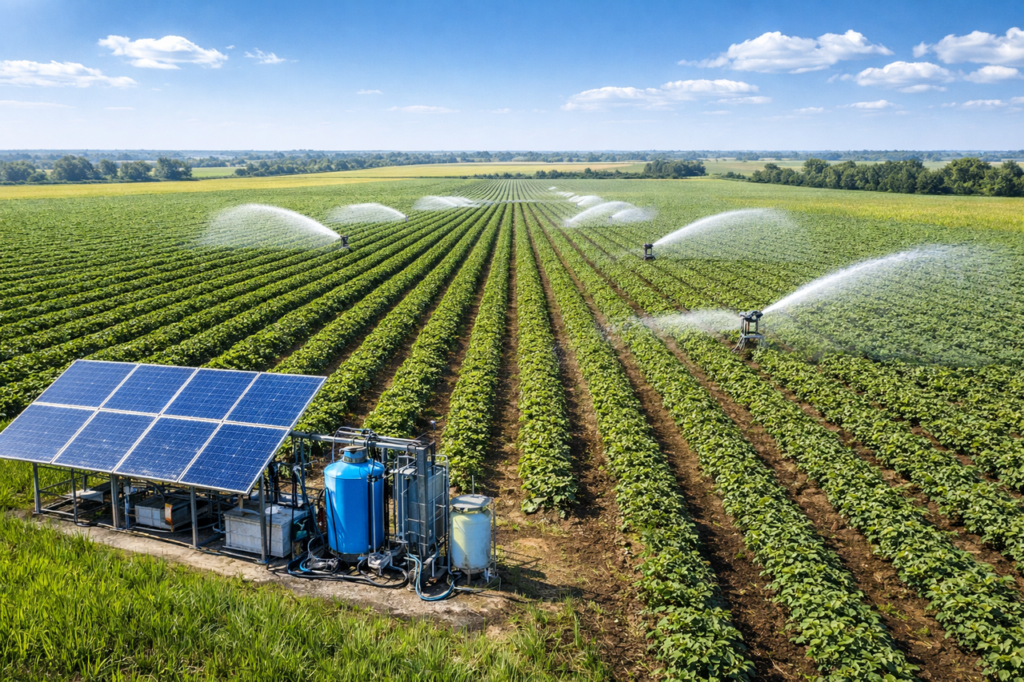
The smart water and fertilizer machine is the core. You can set irrigation schedules in the system based on how much water corn needs at different stages. At the seedling stage, you hold back a little water to encourage root growth, keeping soil moisture at 60%-65%. During tasseling and grain filling, which are critical periods for water, the system automatically waters more often, bringing moisture up to 75%-80%. Fertilization works the same way. Nitrogen goes up automatically during the large bell stage. Potassium is added during grain filling. Everything can be controlled remotely from a phone or computer. You don’t need to be out in the field to turn valves on and off.
The environmental monitoring system collects data. Weather stations and soil sensors are placed in the field or greenhouse. They collect air temperature, humidity, light intensity, CO₂ levels, and soil temperature, moisture, EC, and pH. This data goes to the IoT platform. If any reading goes outside the ideal range, the system sends an alert and can automatically trigger equipment like fans, shade screens, or grow lights.
If you’re growing corn in a greenhouse, you can add an automated climate control system. When temperatures go above 30°C, fans and wet curtains turn on. When temperatures drop below 15°C, ventilation shuts down or heating turns on. On cloudy days with low light, LED grow lights come on automatically. During peak sunlight, shade screens roll out to keep leaves from burning.
The management side is straightforward. The mobile app and PC platform let you see real-time data, check historical trends, control equipment remotely, and get alerts when something’s wrong. You can also install an LED screen in the greenhouse or manager’s office. Key data scrolls on the screen, so anyone on site can see the conditions at a glance.
Actual Results
Take a corn farm in northern China as an example. After switching to this system:
- Irrigation water use dropped by more than 30%. Fertilizer efficiency went up by more than 25%.
- Average yield increased by 12%. Bare tips became much less common, and kernels filled out better.
- Labor costs fell significantly. What used to take several people taking turns to water, fertilize, and open vents can now be handled by one person with a phone. The farm saved over 50,000 RMB a year in labor.
- Disease rates also went down. With precise humidity control, leaf spot and rust dropped by about 35%.
Which Crops This Works For
This system was designed with corn in mind, but it works just as well for wheat, soybeans, cotton, and other field crops. Irrigation and fertilization schedules can be adjusted for different crops in the system.
Conclusion
If you’re also dealing with inaccurate water and fertilizer management, slow environmental controls, and high labor costs in large-scale farming, get in touch. We can put together a custom plan based on your land, climate, and water conditions.