A practical guide to soil moisture, EC, pH, climate and RS485 Modbus sensors for more precise greenhouse irrigation.
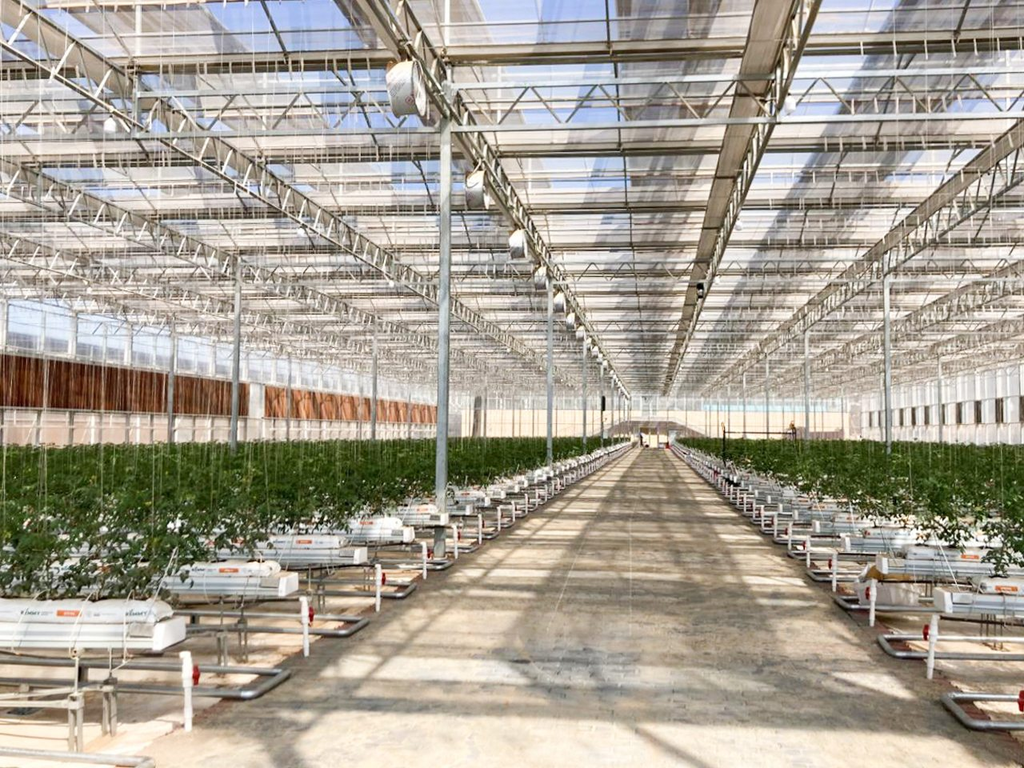
Heat, drought and irrigation restrictions are turning water management into a daily production issue for greenhouse growers—not just a long-term sustainability goal.
In August 2026, the European Commission’s Joint Research Centre reported that persistent heat and water deficits had damaged summer crops across parts of western and central Europe. In some affected areas, forecast yields for summer crops were up to 14% below the five-year average, while limited irrigation water and local restrictions added further pressure. Although greenhouses provide more control than open fields, they are not isolated from high temperatures, changing crop demand or constrained water supplies.
This is where smart greenhouse sensors become practical tools. By monitoring the root zone, irrigation water and greenhouse climate continuously, growers can replace fixed assumptions with current data. The objective is not simply to install more sensors. It is to create a monitoring system that helps the irrigation or fertigation controller deliver the right amount of water and nutrients at the right time.
Why Smart Greenhouse Sensors Matter Beyond Timer-Based Irrigation
A timer follows a schedule, but crop water demand does not remain constant.
Demand changes with solar radiation, air temperature, humidity, crop stage, plant density, substrate, ventilation and irrigation history. A schedule that works on a mild morning may under-irrigate during an exceptionally hot afternoon. The same schedule may over-irrigate when radiation falls or crop uptake slows.
The consequences can include:
- unnecessary water and fertilizer consumption;
- nutrient loss through drainage;
- unstable root-zone EC;
- water stress during peak demand;
- poor root aeration caused by overwatering;
- inconsistent growth between irrigation zones; and
- delayed detection of pump, valve, filter or pipeline problems.
A sensor-based system does not have to remove scheduled irrigation completely. In many projects, the best approach is to retain time-based control while using sensor thresholds, alarms and trend data to adjust the schedule intelligently.
The Most Useful Sensors for Greenhouse Irrigation
An effective greenhouse monitoring system normally combines several types of measurements. No single sensor can describe the complete condition of the crop, water and growing environment.
1. Soil or Substrate Temperature, Moisture and EC
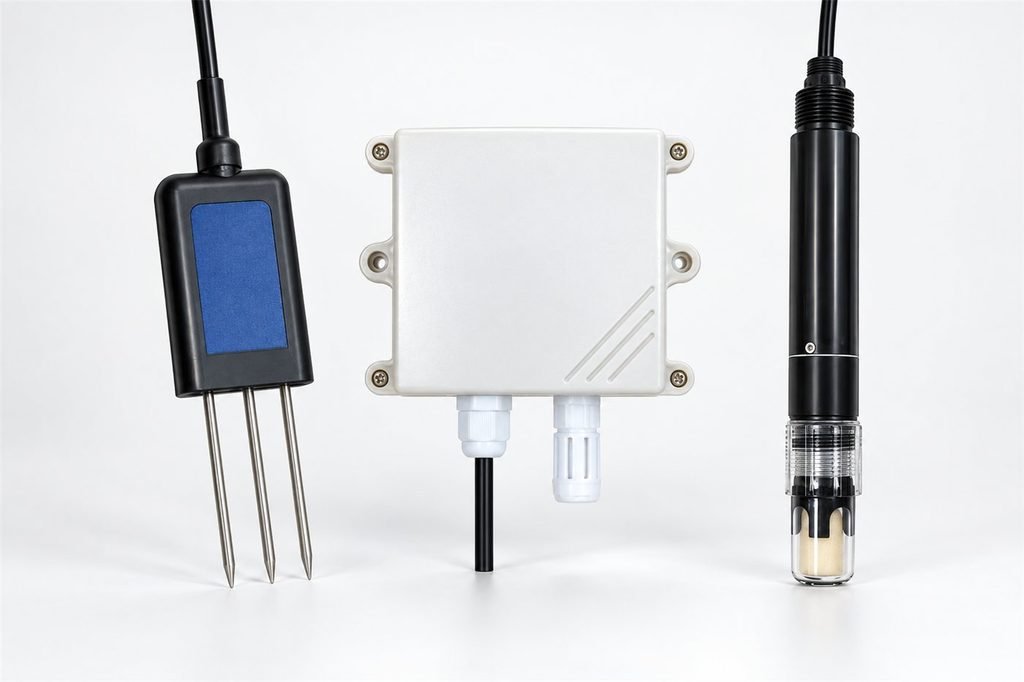
For crops grown in soil or suitable growing media, a combined temperature, moisture and EC sensor provides three important measurements from the root zone.
Moisture indicates whether the root zone is becoming too dry or remaining wet for too long. Temperature helps explain changes in root activity and water uptake. EC indicates the concentration of dissolved salts around the roots and can help identify salt accumulation, excessive fertilizer concentration or insufficient leaching.
The available three-in-one sensor supports:
- soil or substrate temperature measurement from -40 to 80°C;
- moisture measurement from 0 to 100%;
- EC measurement up to 10,000 µS/cm;
- IP68 protection for field installation; and
- RS485 Modbus or optional 4–20 mA output.
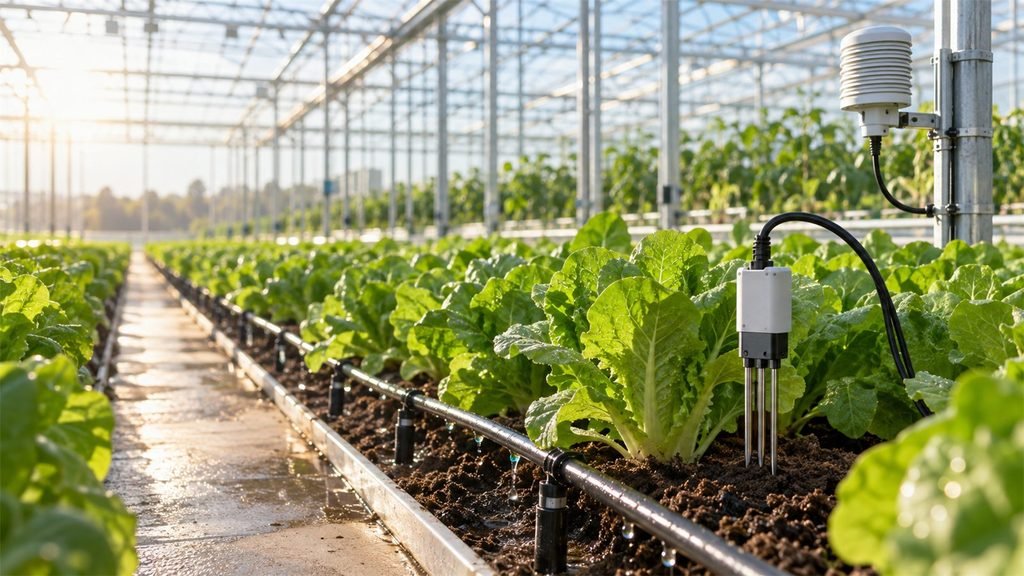
For practical irrigation control, sensor placement matters as much as the sensor specification. Readings should represent the active root zone, and multiple sensors may be required where beds, substrates, crop stages or irrigation zones differ.
2. Greenhouse Air Temperature and Relative Humidity
Air temperature and relative humidity affect transpiration and therefore influence how quickly crops use water. Monitoring both parameters also allows the control system to calculate or estimate indicators such as vapour pressure deficit, which can be more informative than temperature alone.
The available greenhouse temperature and humidity sensor operates on 9–24 V DC, uses an IP65 enclosure and supports RS485 Modbus communication. Standard and higher-accuracy versions are available, depending on the monitoring requirement.
These measurements can be used for dashboards, alarms and coordinated control of irrigation, ventilation, cooling and humidification equipment.
3. CO2 Concentration
CO2 does not directly measure irrigation demand, but it is an important part of the crop environment. CO2 concentration interacts with light, temperature and plant growth, so it provides useful context when analysing water use and crop performance.
The available greenhouse CO2 sensor measures 0–5,000 ppm and communicates through RS485 Modbus. A combined CO2, temperature and humidity sensor is also available where a compact monitoring point is preferred.
4. Photosynthetically Active Radiation
Photosynthetically active radiation, or PAR, measures the portion of light used by plants for photosynthesis. Higher radiation commonly increases transpiration and can rapidly change irrigation demand, particularly in warm conditions.
Adding a PAR sensor enables the system to compare root-zone moisture and water use with the light actually available to the crop. It can also support irrigation strategies based on accumulated radiation rather than clock time alone. The available PAR sensor covers the 400–700 nm waveband and supports RS485 Modbus communication.
5. Leaf-Surface Temperature and Moisture
Leaf-surface temperature can reveal crop stress that is not immediately visible from air temperature. Surface moisture information may also help growers evaluate condensation and disease-risk conditions.
The available leaf-surface sensor measures temperature from -20 to 80°C and surface moisture from 0 to 100%, with RS485 Modbus output. It should be used as one part of a broader monitoring strategy rather than as the sole basis for irrigation decisions.
6. Irrigation-Water EC and pH
In fertigation systems, irrigation-water EC and pH are critical control parameters.
EC provides an indirect measurement of total dissolved ions and is commonly used to verify nutrient concentration. pH affects nutrient availability and the stability of the nutrient solution. Continuous measurements can help the system detect dosing deviations before incorrectly mixed solution reaches a large crop area.
Water EC, water pH and combined EC/pH sensors are available with RS485 Modbus communication. The standalone water pH sensor covers pH 0–14 with stated accuracy of ±0.1 pH. Final selection should be based on the expected nutrient concentration, water temperature, installation method and required cleaning and calibration procedure.
For recirculating hydroponic systems, it is often useful to measure both the supply solution and the return solution. Comparing these readings gives the grower better visibility into changes occurring as water passes through the crop.
7. Flow, Pressure and Tank-Level Monitoring
Environmental and nutrient sensors explain water quality and crop conditions, but hydraulic measurements confirm whether irrigation is physically being delivered.
Flow meters can detect unusually high or low water use. Pressure sensors can identify blocked filters, leaking pipes, pump problems or pressure differences between zones. Tank-level sensors can prevent pumps from running dry and can help automate water preparation, transfer and replenishment.
Together, these measurements create a more complete picture than soil moisture data alone.
RS485 Modbus Greenhouse Monitoring System Architecture
RS485 Modbus is widely used in agricultural monitoring because several devices can share a communication bus over relatively long cable distances. In a typical installation, sensors are connected to a local PLC, controller or data-acquisition unit. The controller reads each device, applies the programmed logic and operates pumps, solenoid valves, dosing equipment, fans or alarms.
A simplified control sequence may work as follows:
- The controller reads root-zone moisture, EC and temperature in each irrigation zone.
- Air temperature, humidity and PAR readings indicate current crop demand.
- Tank or pipeline EC and pH sensors verify the nutrient solution.
- Flow and pressure readings confirm that irrigation starts and operates normally.
- The PLC adjusts irrigation duration, frequency or zone priority within approved operating limits.
- Abnormal readings trigger a local alarm or, where required, are forwarded through a gateway to a remote platform.
This local architecture is especially useful for commercial farms that already have a PLC controlling other equipment. Optional gateways can be added for remote data transmission, but cloud access is not necessary for the core sensing and control functions.
Before equipment is selected, the supplier and system integrator should confirm sensor addresses, communication settings, register maps, cable topology, shielding, grounding, power capacity and maximum cable length.
What Recent Projects and Trials Show
Recent work supports the move from fixed schedules toward measurement-based irrigation.
A 2026 peer-reviewed study in the Journal of Building Engineering described an integrated monitoring and irrigation system for a pilot agrivoltaic greenhouse in Italy. The platform used more than 100 sensors to measure environmental, soil, plant and energy conditions. Its control architecture included RS485 Modbus RTU communication and sector-based irrigation, demonstrating how multiple data sources can be integrated into one greenhouse control platform.
In a separate high-tunnel irrigation trial reported by Irrigation Today in June 2026, soil-sensor-based scheduling increased tomato and pepper yields by 20% and 19%, respectively. Water-use efficiency increased by 130% for tomatoes and 40% for peppers in that particular study.
These results should not be treated as guaranteed performance for every farm. Crop variety, climate, substrate, irrigation design, sensor placement and control settings all affect the outcome. However, they illustrate an important principle: irrigation decisions improve when the control system can respond to actual root-zone conditions rather than relying only on a fixed timer.
Sensor Selection for Soil, Substrate and Hydroponic Greenhouses
A practical package of smart greenhouse sensors depends on the crop and growing method.
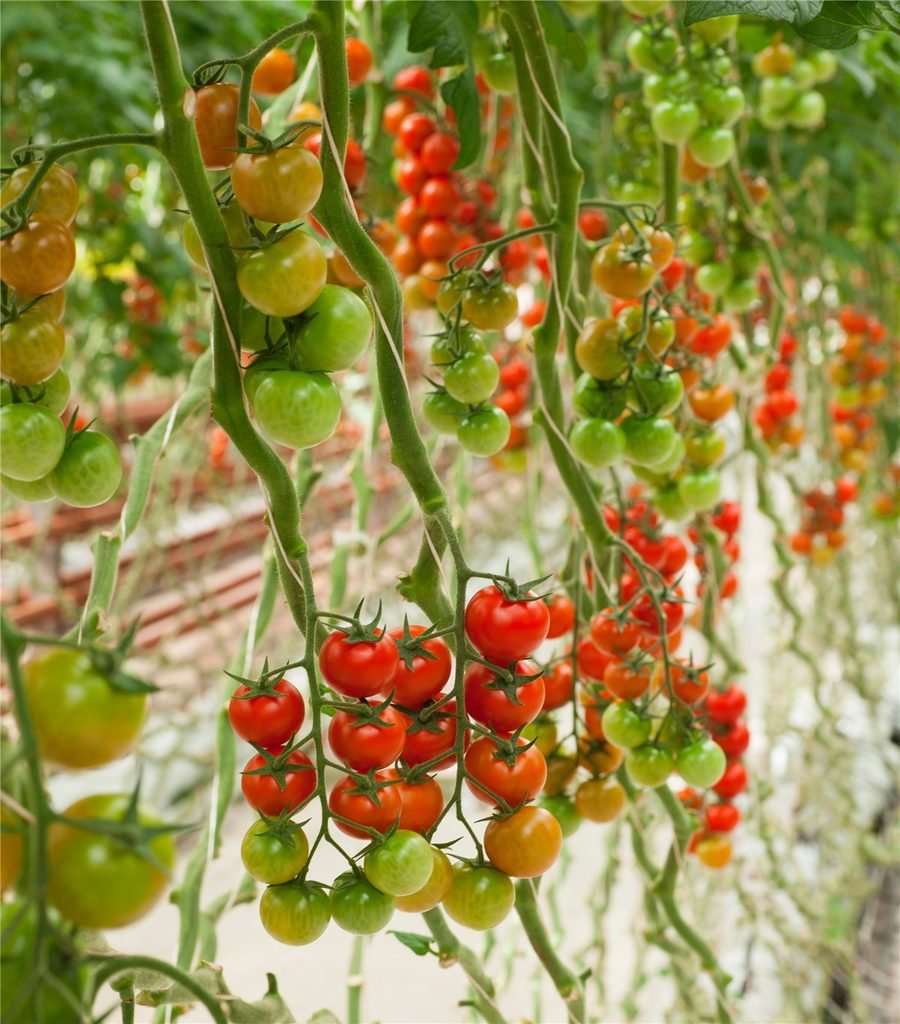
For soil-grown vegetables, a practical starting point may include soil temperature/moisture/EC sensors, greenhouse temperature and humidity sensors, PAR measurement, water EC and pH, flow and pressure monitoring.
For substrate-grown strawberries or tomatoes, growers may combine substrate moisture and EC monitoring with drainage volume, drainage EC and pH, climate measurements and radiation data. The objective is to understand both what is supplied and what leaves the root zone.
For recirculating hydroponic lettuce, priority is normally given to nutrient-tank and return-water EC, pH, temperature, level and flow. Air temperature, humidity, CO2 and PAR help explain changes in uptake and crop demand.
For nurseries, where plants may be small and irrigation zones numerous, uniformity and zone-level monitoring are particularly important. Sensors should be selected and positioned according to tray type, substrate volume and crop stage.
Questions to Answer Before Requesting a Quotation
To configure a reliable smart greenhouse sensor system, prepare the following information:
- crop types and growth stages;
- greenhouse area and number of irrigation zones;
- growing method: soil, substrate, hydroponic or aeroponic;
- open-drain or recirculating irrigation;
- number and capacity of water and fertilizer tanks;
- irrigation flow rate and operating pressure;
- source-water quality and treatment method;
- required measurements and control points;
- existing PLC or controller brand and communication protocol;
- available power supply;
- cable distances and preferred wired or wireless architecture; and
- whether local control, remote monitoring or both are required.
This information allows the sensor quantity, range, output signal and installation accessories to be matched to the project instead of offering a generic package.
From Monitoring to Better Irrigation Decisions
Smart greenhouse sensors create value when their readings lead to timely decisions. A useful system should help growers answer four basic questions:
- Does the crop need water now?
- Is the nutrient solution within the required EC and pH range?
- Did the correct amount of water reach each irrigation zone?
- Is the greenhouse climate increasing or reducing crop demand?
When soil or substrate, water, climate and hydraulic data are viewed together, growers can identify problems earlier and make irrigation more consistent. During periods of heat and restricted water availability, that visibility becomes even more important. Choosing smart greenhouse sensors as one coordinated system also makes later PLC integration and troubleshooting easier.
Wewin Smart Agri can configure greenhouse sensors and RS485 Modbus monitoring solutions according to the crop, irrigation design and existing control system. To receive a recommended sensor list, please provide your greenhouse area, crop, growing method, number of irrigation zones, water source, controller or PLC model, required communication protocol and project location.
Frequently Asked Questions
Which sensor is most important for greenhouse irrigation?
There is no single sensor that is best for every project. Soil or substrate moisture is often the starting point, but water EC and pH, air temperature and humidity, flow, pressure and tank level may be equally important. The correct combination depends on the crop and irrigation method.
Can greenhouse sensors control irrigation automatically?
Yes. Sensors can send measurements to a PLC or irrigation controller, which then operates pumps and valves according to programmed thresholds, schedules and safety rules. Automatic control should include alarm limits and manual override functions.
Is RS485 Modbus suitable for a commercial greenhouse?
Yes. RS485 Modbus is commonly used for wired industrial and agricultural monitoring. It supports multiple devices on one bus and integrates with many PLCs and controllers. Correct wiring, addressing, termination, shielding and grounding are essential.
How many soil or substrate sensors does a greenhouse need?
The quantity depends on the number of irrigation zones and the variability of the greenhouse. Different crops, substrates, elevations, pipe lengths or climate zones may require separate monitoring points. One sensor for an entire greenhouse is rarely representative when conditions vary significantly.
How often should EC and pH sensors be calibrated?
Calibration frequency depends on the sensor, nutrient solution and operating conditions. Follow the manufacturer’s instructions and verify readings regularly with suitable reference solutions. Cleaning and calibration should be included in the farm’s maintenance plan.
Can the system work without cloud-based monitoring?
Yes. Sensors can connect directly to a local PLC or controller for on-site monitoring and automatic control. Remote access can be added through a gateway if required, but it is not necessary for basic local operation.
Sources
- European Commission Joint Research Centre: Exceptionally dry and hot weather threatens summer crops
- Journal of Building Engineering: Design and implementation of an integrated microclimate, irrigation, and photovoltaic monitoring system for a pilot agrivoltaic greenhouse
- Irrigation Today: Soil sensor-based irrigation scheduling in high tunnels improves yield and water efficiency