Located in the Nanchang Economic and Technological Development Zone of Jiangxi Province, this 346-mu agricultural demonstration base covers approximately 23 hectares and focuses on the cultivation of premium specialty tomatoes.
The project combines smart greenhouse technology, soilless cultivation, agricultural sensors, intelligent fertigation, food traceability and virtual farming experiences. It is designed not only for high-standard commercial tomato production, but also for agricultural research, technology demonstration and public education.
An Integrated Smart Agriculture Solution
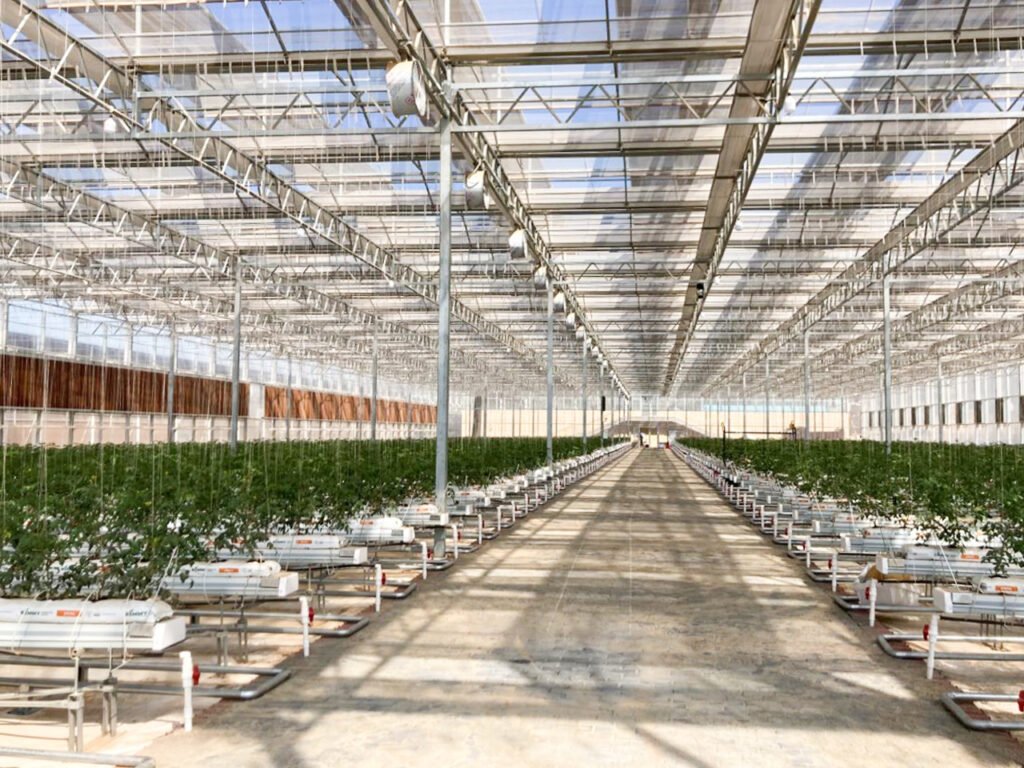
To support consistent crop management across such a large cultivation area, the greenhouse uses agricultural sensors to collect and transmit environmental and production data. The monitored parameters provide growers with a more accurate understanding of greenhouse conditions and form the basis for irrigation, fertilization and daily cultivation decisions.
An intelligent water and fertilizer control system works together with the sensing equipment and soilless cultivation facilities. Water and nutrients can therefore be supplied more precisely according to tomato growth requirements, helping maintain stable growing conditions while reducing unnecessary resource consumption.
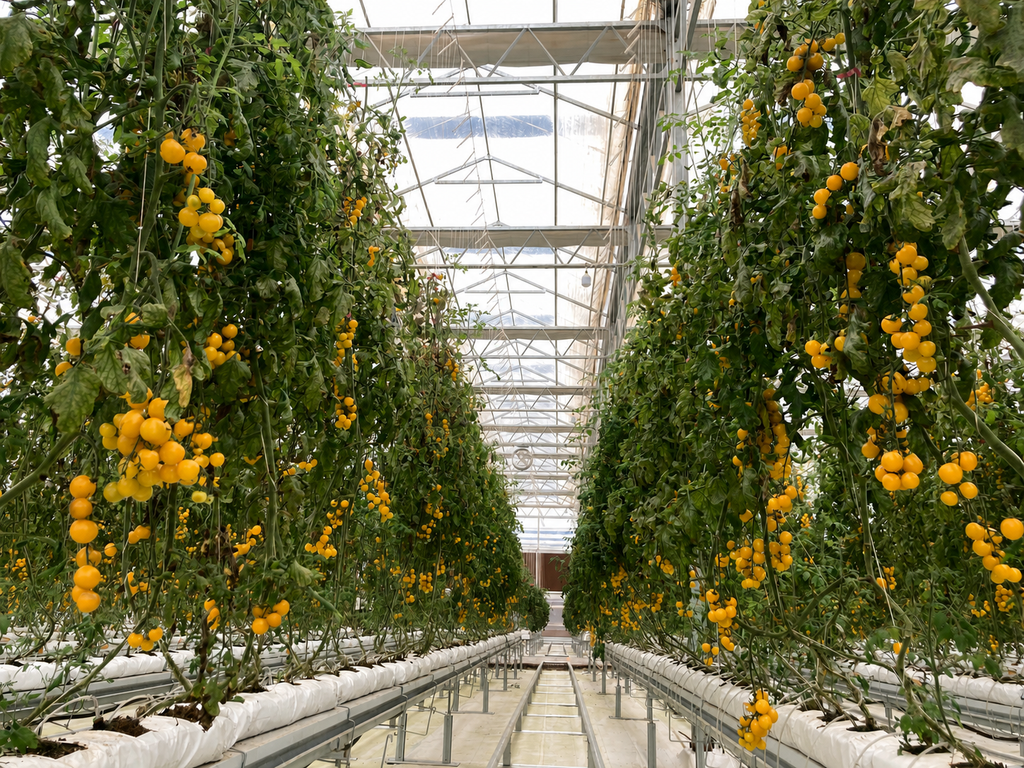
The greenhouse is used to cultivate colorful specialty tomatoes with high commercial and nutritional value. Its standardized production environment also provides suitable conditions for agricultural research, cultivation trials and the demonstration of modern farming technologies.
Digital Traceability and Virtual Farm Experiences
The project incorporates a digital food traceability system covering the complete tomato production process. Information can be recorded from seedling cultivation and transplanting through fertigation, vine training, pruning, pest and disease management, harvesting and final delivery.
By presenting this information digitally, customers can better understand how the tomatoes are grown, managed and delivered. The traceability system improves production transparency and helps strengthen confidence in food quality and safety.
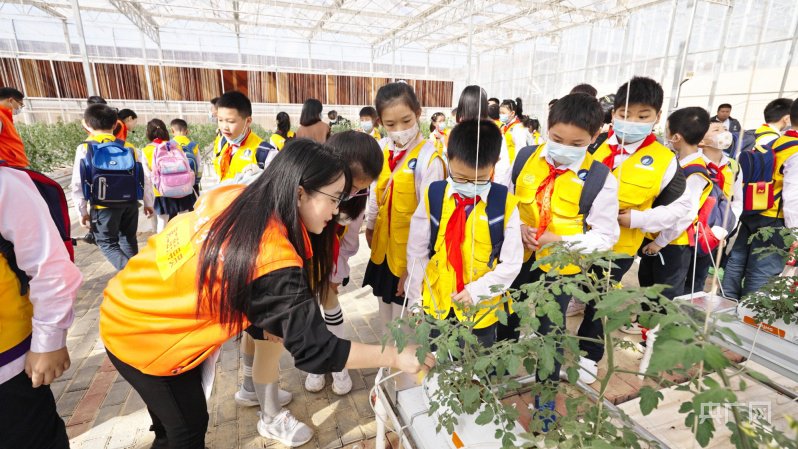
Virtual reality technology is also incorporated into the demonstration base. It allows visitors to explore selected farming processes and experience tomato cultivation and harvesting in a digital environment. This creates additional opportunities for agricultural education, visitor engagement, technology demonstration and farm branding.
Smart Greenhouse Tomato Project Result
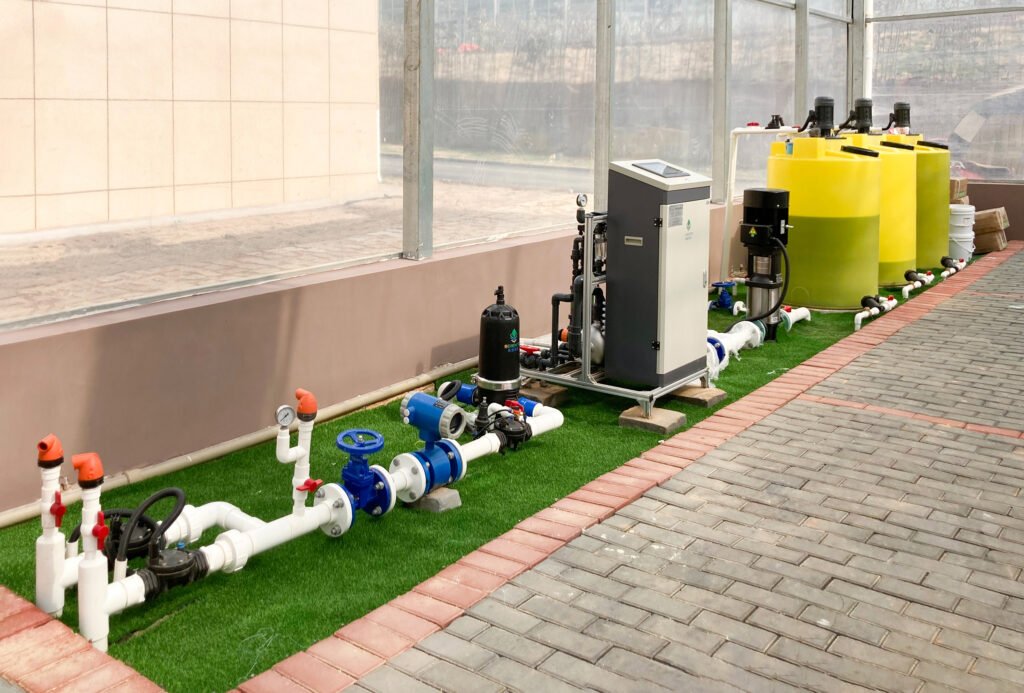
Compared with conventional tomato cultivation, the completed smart soilless greenhouse system reportedly achieved water savings of more than 11% and reduced fertilizer use by more than 20%.
These improvements were made possible through more accurate environmental monitoring, intelligent fertigation and standardized crop management. The project demonstrates how sensing, control and digital technologies can support resource-efficient agricultural production while also improving the visibility of the complete farming process.
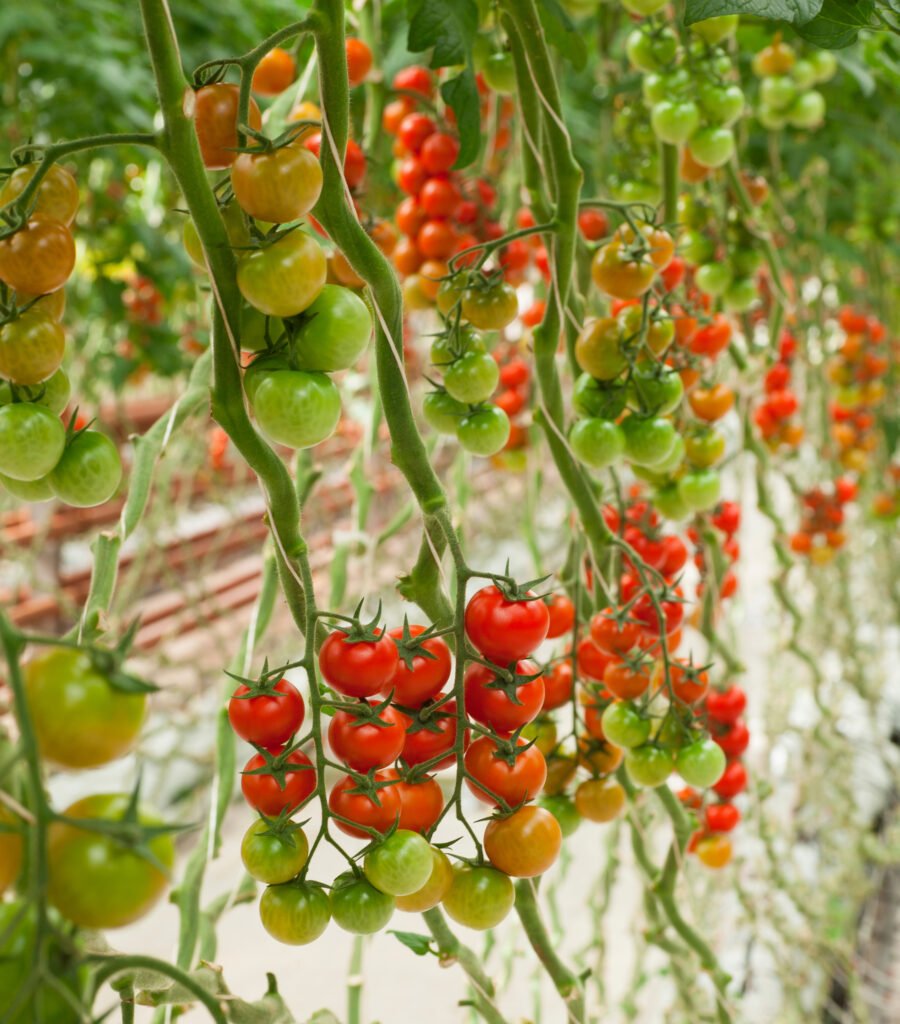
This model can be adapted for commercial greenhouses, hydroponic farms, agricultural demonstration parks, research facilities and other controlled-environment agriculture projects.
Wewin Smart Agri works with technology and manufacturing partners to provide agricultural sensors, irrigation and fertigation equipment, environmental monitoring systems and customized smart farming solutions.
Planning a smart greenhouse or hydroponic project and other controlled-environment agriculture projects.? Contact us to discuss your crop, cultivation area and monitoring requirements.