Description
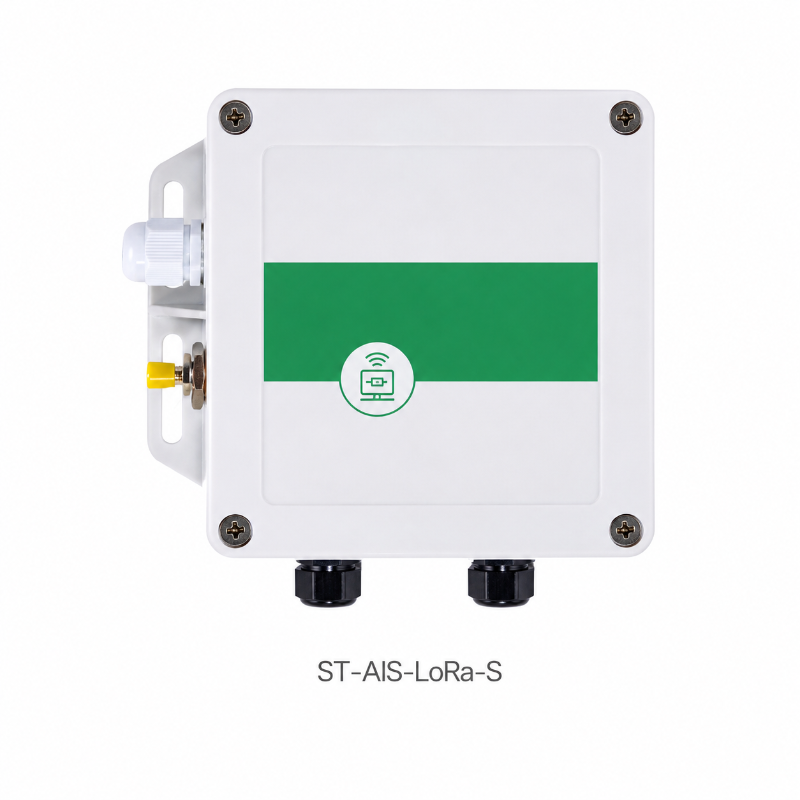
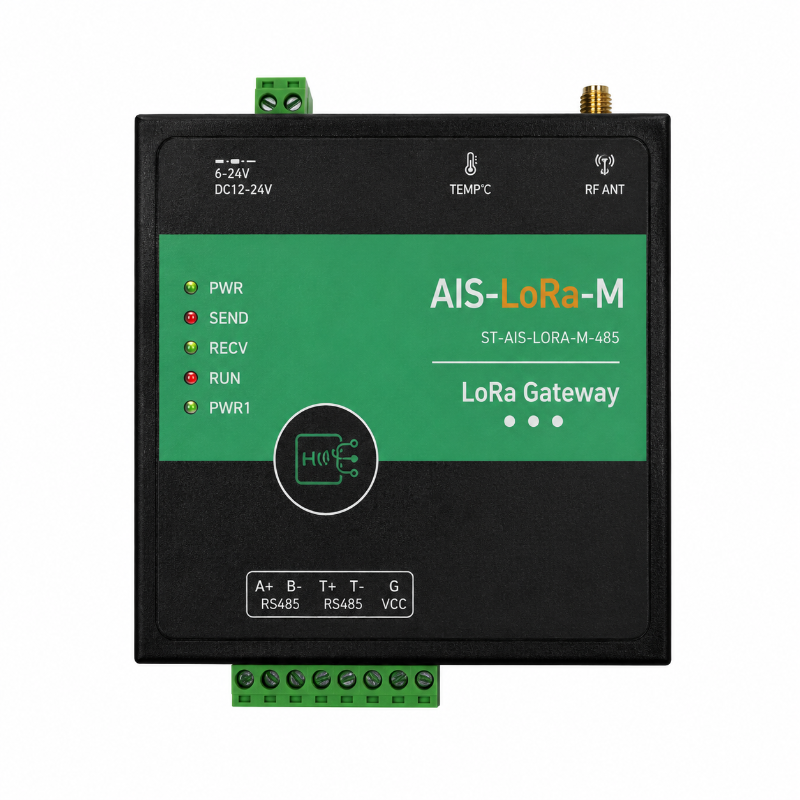
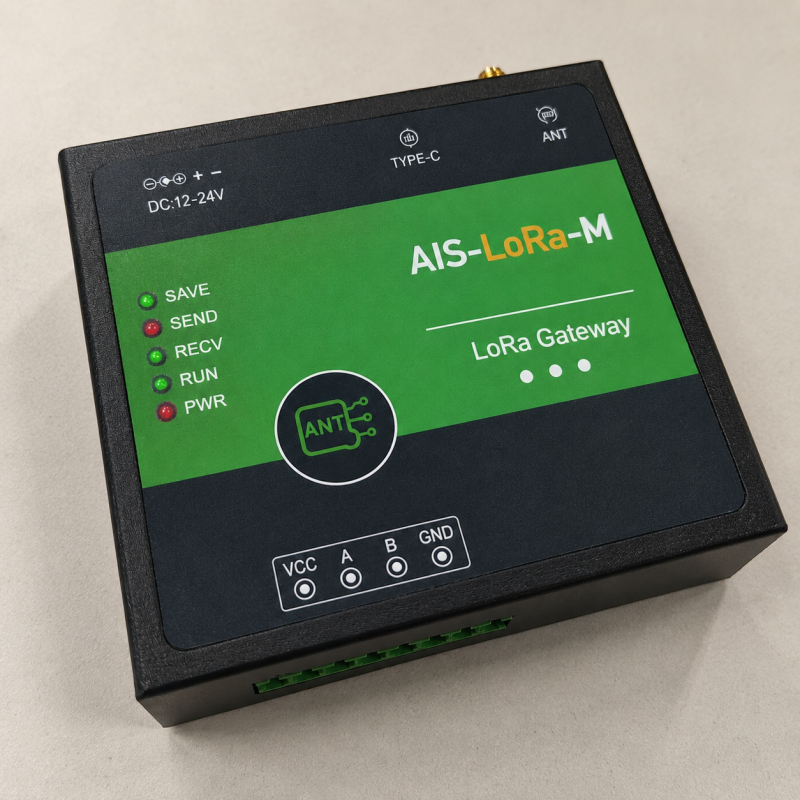
The LoRa wireless sensor node and RS485 gateway connect distributed agricultural monitoring points to a compatible receiving controller. The field node acquires sensor data; the gateway receives the radio transmission and passes data to the host system. This configuration is intended for integrators and irrigation installers who need to reduce signal cabling between monitoring zones.
How the Sensor Node and Gateway Work
Compatible sensor → field node → LoRa radio link → RS485 gateway → receiving controller or data-acquisition system. Internet access, cloud accounts and automation depend on the receiving equipment and the configuration ordered; the RS485 gateway alone is not a complete cloud monitoring system.
Technical Specifications: Node and RS485 Gateway
The values below describe the documented node and RS485 gateway configuration. They do not apply to a separate 4G gateway or to every LoRa device.
| Parameter | Sensor node | RS485 gateway |
|---|---|---|
| Supply voltage | 6.5–12 V DC; typical 7.4 V DC | 12–24 V DC |
| Standby current | 1.5 ± 1 mA at 7.4 V DC | 40 mA at 12 V DC |
| Working / transmitting current | No-load working current: 12–16 mA at 7.4 V DC | Transmitting current: 900 mA at 12 V DC |
| Radio frequency range | 410.125–493.125 MHz | 410.125–493.125 MHz |
| Maximum transmitting power | 22 ± 0.5 dBm | 30 ± 0.5 dBm |
| Receiver sensitivity | −147 ± 1.0 dBm | −147 ± 1.0 dBm |
| Listed communication distance | 2 km; verify in the intended installation | 2 km; verify in the intended installation |
| RS485 interface | 9600 bps | 9600 bps |
| Host configuration interface | Confirm for selected revision | USB, 115200 bps |
Sensor and Controller Compatibility
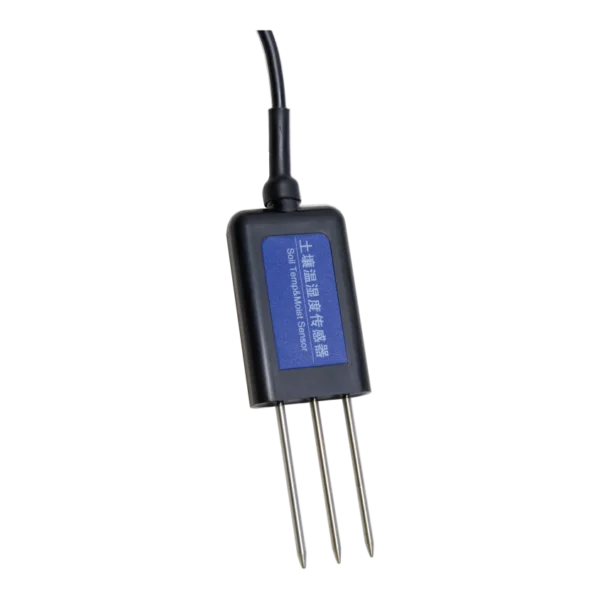
RS485 describes the electrical interface, not the complete application protocol. Before matching a soil sensor or weather instrument, check supply voltage, polarity, register addresses, data types, scaling, device addressing and the node’s supported polling configuration. Sharing a connector or baud rate does not establish compatibility.
This configuration uses a matched node and gateway. Do not assume interoperability with an existing LoRaWAN network or another manufacturer’s LoRa gateway. Confirm the exact radio protocol, firmware and host-side data format before ordering.
For root-zone monitoring, compare multi-parameter soil sensor configurations. A separate 4G RS485 gateway is also available for wired sensor acquisition with cellular transmission; its specifications are different.
Installation and Power Planning
- Check the destination country’s permitted radio configuration before selecting this frequency version. Frequency, transmitting power and antenna selection must suit the project location.
- Treat the listed 2 km distance as a specification to validate, not guaranteed farm coverage. Test with the intended antenna positions, greenhouse structures, terrain and crop canopy.
- Keep gateway and sensor power budgets separate. Allow for the gateway’s transmitting current, cable voltage drop and all connected sensors; do not size a solar system from standby current alone.
- Mount and protect the electronics, connectors and power supply according to the supplied installation instructions. This specification does not establish an enclosure IP rating or maximum buried cable length.
Sample Acceptance Before a Batch Order
- Use the actual sensor model and receiving controller. Record the hardware and firmware revision, wiring and communication settings.
- Verify that displayed values, units and timestamps match the sensor output. Test multiple addresses and the proposed sampling interval.
- Test the radio link at the intended mounting positions and record missed readings or interruptions. Repeat under representative operating conditions.
- Power-cycle the node and gateway and disconnect the host link. Check restart, configuration retention and fault reporting before enabling automatic control.
Documentation and Quotation
Request a configuration-specific datasheet, terminal wiring diagram, host communication/register documentation, radio configuration, firmware identification and sample acceptance checklist. Platform access, data export, spare parts, training and support scope should be stated in the quotation when included.
Send your country, sensor list, number of monitoring points, receiving controller, power arrangement and site layout to request a matched LoRa configuration. For the broader procurement process, read our soil monitoring supplier selection guide.
Reviews
There are no reviews yet.