
Hydroponic nutrient monitoring helps growers track the condition of the solution delivered to plant roots. A practical setup measures pH, electrical conductivity (EC), water temperature and reservoir level, with dissolved oxygen or flow monitoring added where the growing system requires it.
For commercial growers, equipment distributors and project buyers, the main decision is how to turn reliable measurements into useful operating actions. This guide explains what to monitor, how system design affects equipment selection, and what to confirm before adding automatic dosing.

What Nutrients Do Hydroponic Plants Need?
A hydroponic fertilizer program must provide both macronutrients and micronutrients. The six mineral macronutrients are nitrogen, phosphorus, potassium, calcium, magnesium and sulfur. Micronutrients include iron, manganese, zinc, copper, boron, molybdenum, chlorine and nickel. Small quantities do not make micronutrients optional during seedling growth.
Use a complete hydroponic formulation matched to the crop, growth stage and source water. Calcium is part of normal plant development; it should not be described as a treatment that prevents insects or fungal disease. Nutrient monitoring also does not replace an appropriate fertilizer recipe or crop assessment. For background on nutrient supply and growing systems, see Oklahoma State University Extension’s hydroponics guide.
Hydroponic pH and EC: What Each Reading Tells You
pH affects nutrient availability. EC indicates how readily the solution conducts electricity and provides an overall indication of dissolved ionic salts. An acceptable EC reading does not prove that the proportions of individual nutrients are correct.
There is no single pH or EC target for every crop. Many hydroponic crops use a mildly acidic nutrient solution, but the operating range should follow crop-specific guidance and the fertilizer program. Source-water alkalinity also matters: two water supplies with the same initial pH can require different amounts of acid.
Most handheld TDS meters estimate dissolved solids from conductivity using a conversion factor. Consequently, ppm readings from different meter scales may not be directly comparable. Record EC in a consistent unit, such as mS/cm, along with temperature and calibration information. See the OSU guide to EC and pH management for crop-specific reference ranges and water-testing considerations.
Hydroponic Nutrient Monitoring: Which Measurements Matter?
| Measurement | Operating purpose | What to confirm when purchasing |
|---|---|---|
| pH | Track solution acidity and detect changes requiring investigation. | Range, accuracy, mounting, calibration and replacement electrode availability. |
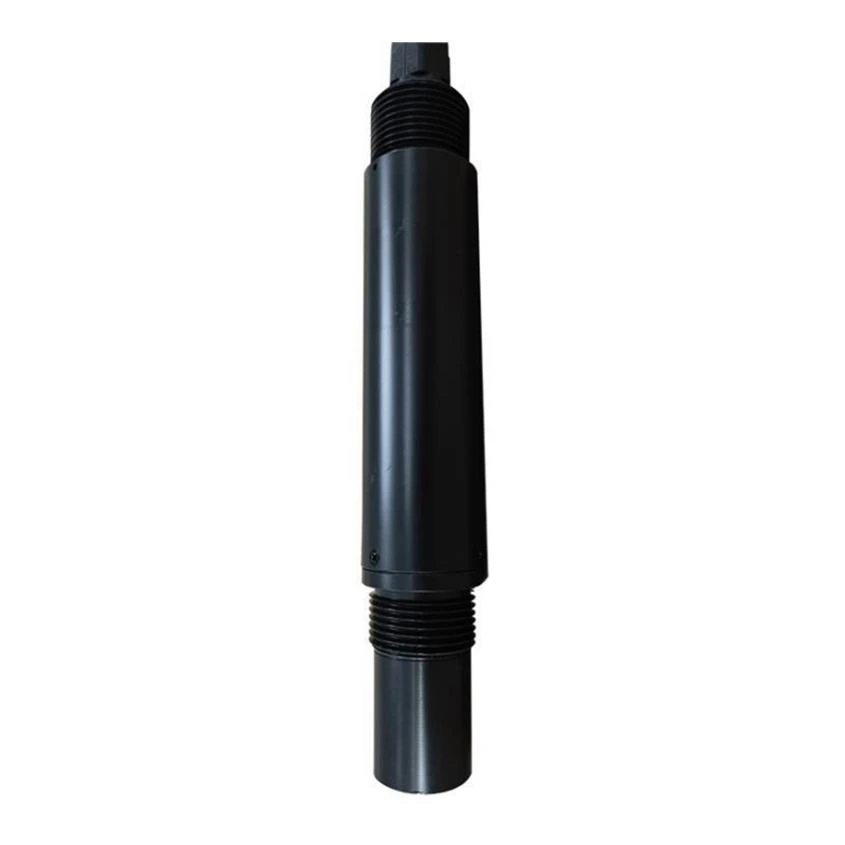
| EC and temperature | Follow solution concentration trends and interpret conductivity consistently. | Units, temperature compensation, probe materials and cleaning access. |
| Water level | Detect low reservoir conditions and support refill or pump protection. | Tank geometry, mounting position and alarm or switching interface. |
| Dissolved oxygen | Assess oxygen conditions where roots remain submerged. | Sensor type, maintenance, calibration and suitability for the installation. |
| Flow or pressure | Help identify delivery interruptions or abnormal hydraulic conditions. | Expected operating range, pipe size and controller compatibility. |
Prepare an instrument list before requesting a quotation. State which measurements are for display only, which require alarms, and which will initiate a control action. This distinction prevents a monitoring package from being mistaken for a complete automatic control system.
Match Monitoring Equipment to the Growing System
Different growing methods expose roots to different combinations of water and air. Nutrient film technique (NFT) uses flowing solution in channels; deep water culture (DWC) keeps roots in a solution reservoir; substrate drip systems deliver solution to plants supported in a growing medium. Aeroponics delivers solution through sprays or mist. These distinctions affect maintenance and the consequences of interrupted delivery. Virginia Cooperative Extension compares hydroponic systems and crops.
For an NFT equipment enquiry, ask how flow interruptions will be detected. For DWC, discuss aeration and oxygen assessment. For substrate drip irrigation, include zone flow, filtration and drainage arrangements. For aeroponics, request the nozzle maintenance procedure and the response to pump failure.
A vertical tower or a multi-tier rack describes equipment layout rather than a unique nutrient-delivery method. When reviewing hydroponic grow racks, confirm the actual water circuit, reservoir arrangement and monitoring points instead of assuming every rack uses the same growing method.
Root-Zone Oxygen Needs More Than a Timer
Roots require oxygen as well as water and nutrients. In non-circulating systems, part of the root zone can receive air above the solution; in aerated water culture, pumps and diffusers help supply oxygen. System design and water conditions determine whether oxygen delivery is adequate. The University of Minnesota’s hydroponics guidance explains these arrangements.
Do not copy a universal air-pump schedule into a commercial specification. Ask the equipment supplier how aeration is sized and checked for the proposed crop load, water volume and operating conditions. Air stones alone should not be presented as a guaranteed cooling method or algae-control measure.
How to Plan Automated Hydroponic Nutrient Control
For a new project, a sensible purchasing sequence is measurement first, alarms second, and automatic dosing after the equipment has been commissioned. Automation should have a defined response to bad measurements, empty chemical tanks, failed pumps and loss of circulation.
A proposed dosing sequence should be reviewed with the supplier: validate sensor readings and reservoir conditions; permit a limited dosing action; allow adequate mixing; measure again; then either continue within agreed limits or stop and alarm. Ask for maximum dose limits, a manual stop, event records and the relevant interlocks.
Do not calculate acid demand from reservoir volume alone. Acid concentration, source-water alkalinity and solution chemistry must be considered. Similarly, a machine-learning model trained on one small reservoir is not evidence of reliable control across different installations. Request commissioning evidence for the selected equipment and operating conditions.
Lighting deserves a separate schedule based on crop requirements, fixture output and the growing environment. A fixed 14-hour setting is not a universal hydroponic specification. Automation proposals should state which functions are included rather than treating lighting, irrigation and nutrient dosing as interchangeable controls.
Equipment Selection Checklist for Project Buyers
Before comparing quotations, prepare a short project brief:
- Crop and purpose: commercial production, teaching, demonstration or a trial.
- System: growing method, reservoir volume, equipment quantities and irrigation zones.
- Water: source-water test results, supply conditions and intended fertilizer program.
- Interfaces: available power, controller inputs, communications and any existing platform.
- Support: installation responsibility, commissioning, calibration materials and spare parts.
Check compatibility at the device level. A shared RS485 connection, for example, is not sufficient evidence that two products work together; protocol details, register mapping, scaling and power requirements also need confirmation.
For a first installation, favor equipment with clear documentation and accessible maintenance points. Ask suppliers to distinguish standard specifications from requested modifications, and to identify any platform fees or consumables that affect ongoing operation.
Frequently Asked Questions
Can EC monitoring replace nutrient analysis?
No. EC is an overall conductivity measurement. Use it alongside the fertilizer program, crop observations and appropriate water or solution testing; it does not identify individual nutrient concentrations.
Do I need automatic dosing for a small hydroponic system?
Not necessarily. Monitoring with manual adjustment may meet the project’s needs. Compare the staffing, operating risk and maintenance burden before adding automatic dosing.
Can hydroponic sensors connect to an existing controller?
Possibly, but the output signal, protocol, power supply and controller configuration must be checked. Request written interface confirmation for the selected models.
Discuss Your Hydroponic Monitoring Requirements
Wewin Smart Agri offers growing equipment and monitoring products for project-based selection. Explore our sensors and controllers for indoor growing, or send your project requirements with the crop, growing method, reservoir size, country and existing equipment details. We can discuss product options and the technical points requiring confirmation. Custom configurations, integration and commissioning support are agreed for the specific equipment package.